Why consider defence?
A diversification opportunity for capable auto suppliers, but one that requires deliberate preparation.
The opportunity for automotive suppliers
UK defence policy is placing greater emphasis on sovereign capability, industrial resilience, advanced manufacturing and a broader supplier base. At the same time, many automotive suppliers have the capability and are seeking ways to use existing assets and skills across a wider customer base, opening up opportunities to:
- Use underutilised manufacturing capacity and specialist equipment.
- Apply established automotive engineering, quality and supply-chain capabilities in an adjacent market.
- Reduce reliance on a single sector or customer.
- Develop new longer-term customer relationships.

Does your business have a defence fit?
Where automotive capability is most likely to align with defence
Many automotive suppliers already have capabilities relevant to defence. The strongest opportunities are often in land mobility programmes, where skills in vehicle engineering, powertrain technologies, electronics, thermal management and wiring systems are directly applicable. There is also growing demand for technologies used in autonomous and uncrewed systems, creating opportunities for businesses involved in sensors, software, battery systems and lightweight structures.
Beyond platforms, defence is investing heavily in manufacturing capability, production resilience and supply chain capacity.
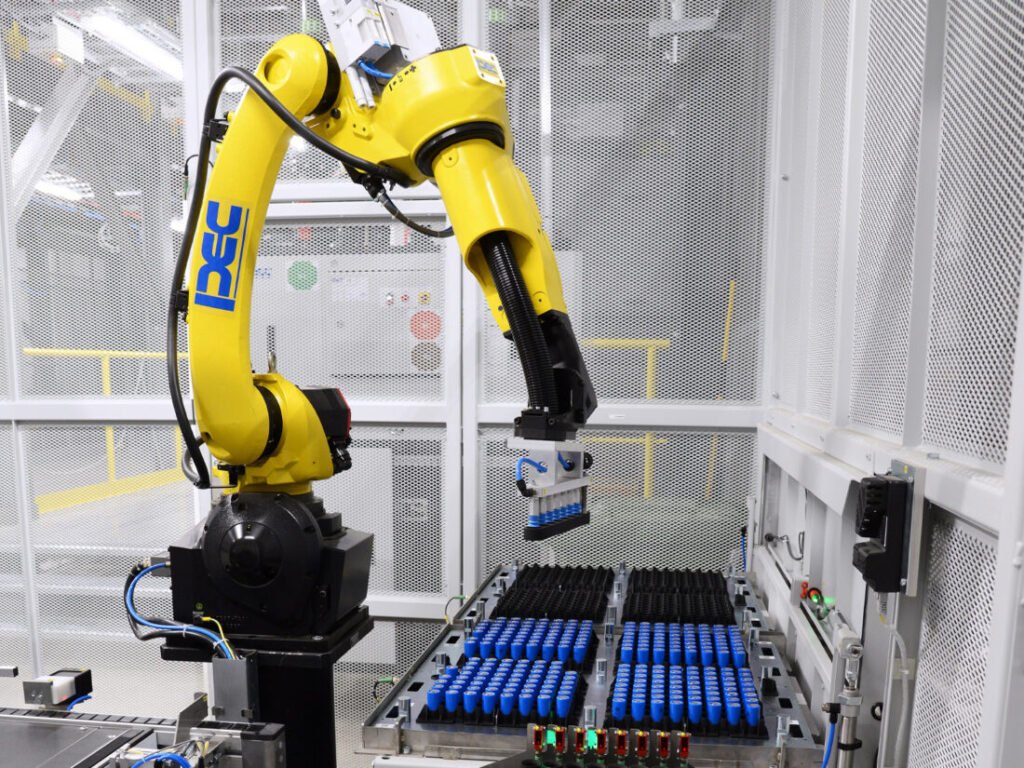
This creates opportunities for suppliers with expertise in automation, robotics, digital manufacturing, tooling, quality assurance and production engineering. The ability to deliver repeatable, high-quality manufacturing at scale is increasingly important across defence supply chains.
Automotive businesses may also find opportunities in logistics, warehousing and supply chain management, where mature planning and supplier management capabilities can support defence programmes
The most successful businesses tend to focus on one or two areas where their existing capabilities provide a clear advantage, rather than attempting to target all parts of the defence sector at once.
Why now? The Defence Investment Plan
The UK Government’s Defence Investment Plan (DIP) sets out a significant programme of investment in defence capability over the coming decade, supporting the ambitions outlined in the Strategic Defence Review and Defence Industrial Strategy.
A key theme running throughout these plans is the need to strengthen sovereign UK manufacturing capability, improve supply chain resilience and broaden participation from innovative UK suppliers and SMEs.
For automotive suppliers, this creates opportunities beyond traditional defence products. Future investment is expected to drive demand across advanced manufacturing, autonomous and electric vehicle technologies, digital engineering, supply chain services and production capacity. It also supports the government’s wider objective of increasing UK content and reducing dependency on overseas suppliers in strategically important areas. The result is a greater need for capable UK businesses that can demonstrate high-quality manufacturing, engineering and supply chain expertise.
How defence differs from automotive
The route to market and commercial approach differ in the defence sector, even when the technology, product, and engineering fit is strong.
Key sector differences
While many automotive capabilities are transferable, defence operates differently from traditional automotive markets. Understanding these differences early can help businesses set realistic expectations, prioritise readiness activities, and identify the most effective routes into the sector.
Explore your opportunities in defence



How to Get Involved
Tell us about your organisation鈥檚 interests and current stage of development. Your responses will help SMMTunderstand the needs of automotive suppliers and shape future support.听
Is your business exploring opportunities in the defence sector?Register your interest to receive further information on automotive-to-defence diversification, including relevant guidance, events, webinars and engagement opportunities.
"*" indicates required fields