Green fuel: HVO and how it is helping hauliers decarbonise
19 Nov 2026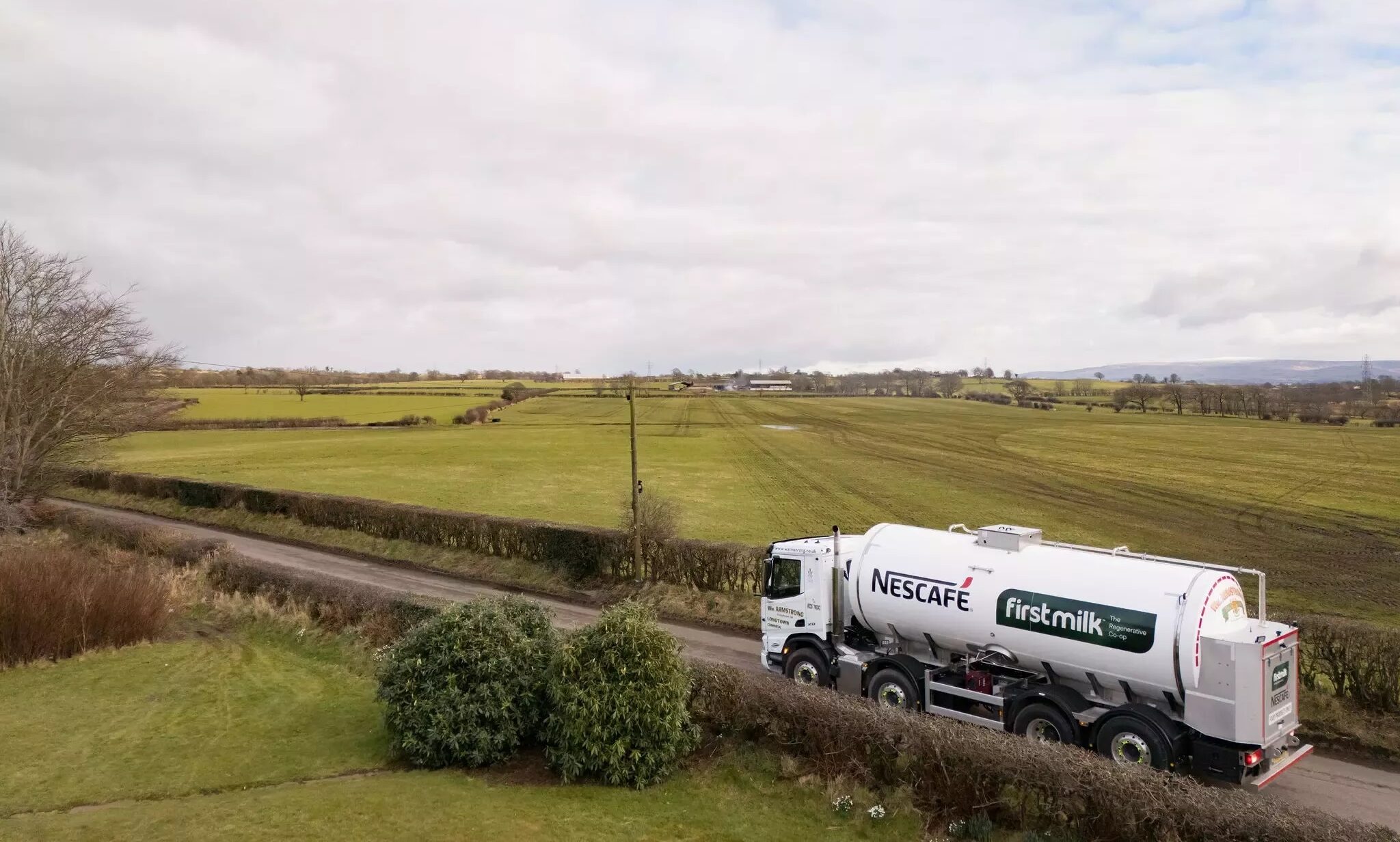
Transport operators are currently switching to hydrotreated vegetable oil (HVO) fuel in growing numbers in order to help meet decarbonisation targets while transitioning to electric vehicles.
HVO is a renewable diesel fuel produced from waste fats and oils, which can cut CO2 emissions from a vehicle by about 90% compared to standard diesel.
It burns more cleanly than conventional diesel, with reduced soot, sulphur dioxide and other airborne particles, and is also safer to handle, biodegradable and odourless.
Importantly, it can be put straight into existing diesel vehicles without the need to change engines or an operator鈥檚 fuel infrastructure.
For example, members of farmer-owned dairy co-operative First Milk are currently moving milk from farms in Cumbria and Ayrshire to the nearby Nestl茅 factories in Dalston and Girvan using HVO-powered trucks.
The move is expected to cut greenhouse gas emissions for these journeys by 83%, saving about 1,000 tonnes of CO鈧俥 every year.
Working with logistics partners T. P. Niven and Wm. Armstrong, First Milk now uses HVO sourced exclusively from Renewable Fuels Assurance Scheme (RFAS) accredited suppliers, with full traceability.
Nestl茅 UK & Ireland is committed to halving its greenhouse gas emissions by 2030 and reaching net zero by 2050, while First Milk has pledged that all milk transport and processing will use renewable fuels by 2030. Wm. Armstrong saved an estimated 557 tonnes of CO鈧俥 between January and October this year by using 215,000 litres of HVO, supplied by Certas, instead of standard diesel.
Its approximate reduction in emissions was determined by Certas Energy鈥檚 HVO Carbon Savings Calculator, which uses government data to show how much carbon can be saved by switching from standard diesel to HVO.
Dr Fiona Roberts, Impact Director at First Milk, said: 鈥淥ur cooperative business is committed to producing nutritious dairy products with ever-lower environmental impact, and transport is a key focus in our net zero journey.
鈥淪witching to HVO for the equivalent supply and delivery of milk into Nestl茅 Dalston and Girvan is a significant step forward, delivering immediate and substantial carbon savings, and showing how collaboration across the supply chain can accelerate progress towards our shared sustainability goals.鈥�
Meanwhile, Derby City Council is currently switching hundreds of its diesel vehicles to HVO.
The change is expected to cut greenhouse gas emissions from fuel by about 91%, saving more than 1,960 tonnes of carbon emissions every year.
This is equivalent to taking 1,220 mixed fleet cars off the road each year or, in terms of home energy usage, to the annual energy footprint of 737 average UK households.
The council鈥檚 fleet includes vehicles for collecting bins, cleaning streets and supporting adult and children鈥檚 social care.
Before deciding to make the switch, the council successfully trialled HVO in partnership with the University of Derby.
The trial looked at how well the fuel performed in everyday use, as well as its environmental impact, and found it offered a practical and financially viable way to reduce emissions from the fleet.
Councillor Carmel Swan, Cabinet Member for Climate Change, Transport and Sustainability, said introducing HVO means the council can make a significant reduction in the emissions from its fleet now, while still providing the essential services that residents depend on every day.
She added: 鈥淲e want to do everything we can to make Derby greener and reduce our impact on the environment. It鈥檚 another important step towards a cleaner, more sustainable city.
鈥淲e will continue to engage in demonstration opportunities, trials and lease options to support the transition to cleaner fleet operations and ensure that future decisions remain evidence based and in the best interests of residents.鈥�
HVO fuel has also been introduced across the M Group fleet as part of its fleet decarbonisation strategy.
The infrastructure services provider across energy, rail & aviation, highways, water, and telecoms now has about 65 HVO delivery sites, a mixture of M Group depots and project locations.
Its use of HVO has cut fleet emissions significantly, with about 90% less CO鈧� produced compared to diesel, and driver feedback has been positive.
In addition, the fuel has proved to be economical, and its use has contributed to the company meeting financial targets.
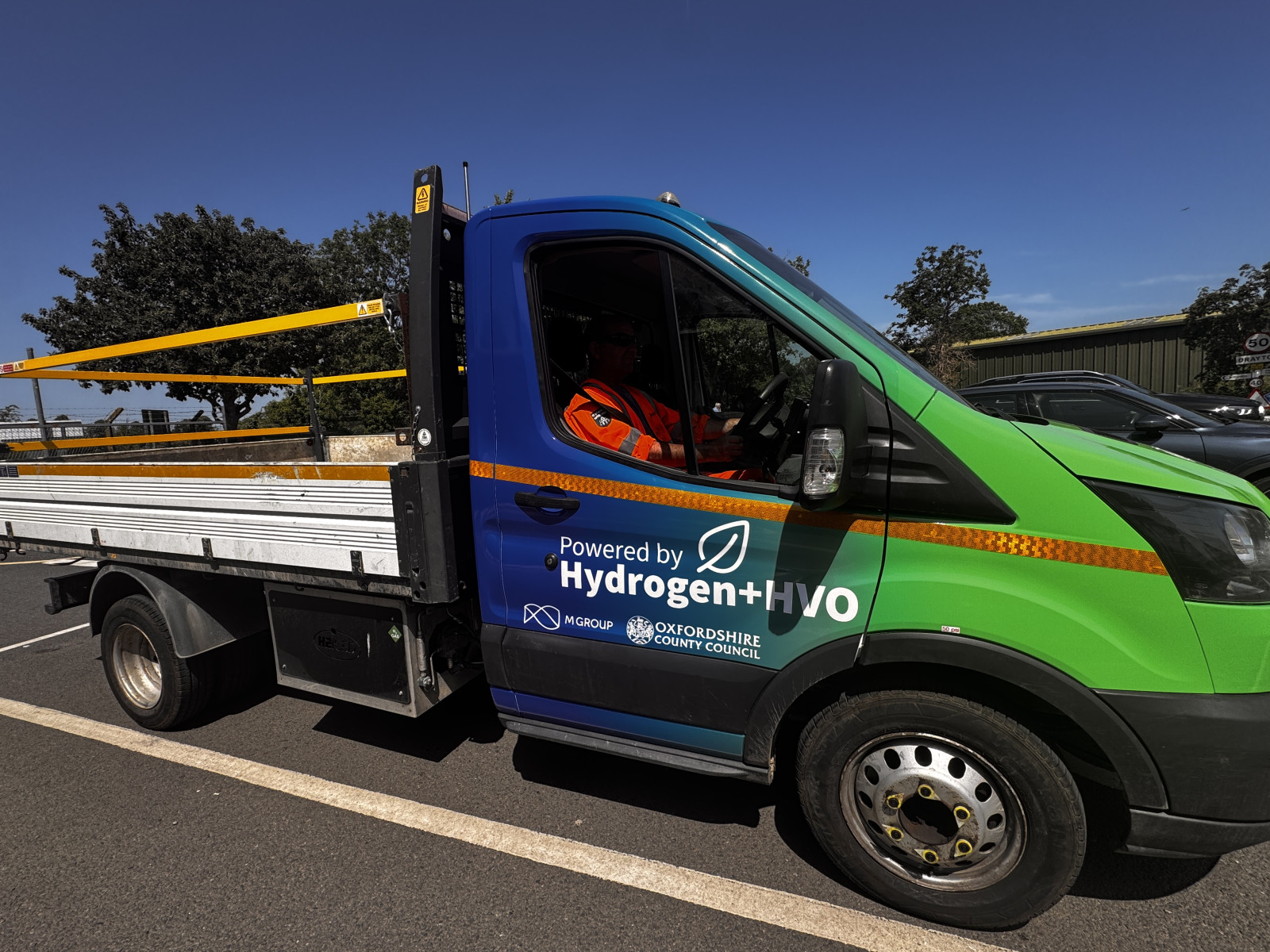
M Group, as Oxfordshire County Council鈥檚 principal highways maintenance contractor, also recently introduced a 3.5-tonne dual-fuel hydrogen and HVO van.
Highways crews have received in-depth training on how to refuel, maintain and operate the converted vehicle, with a particular focus on driver and public safety.
Hydrogen technology specialists ULEMCo retrofitted a standard maintenance vehicle, with the conversion funded by M Group.
ULEMCo will also adapt a second vehicle, expected to be a medium or larger HGV, which will join the Oxfordshire fleet early in 2027.
Andrew Hunt, M Group Director of Innovation and ESG, said: 鈥淎 year on from our decarbonisation strategy launch, we鈥檙e proving that sustainable choices pay off.
鈥淲ith HVO, every litre and every vehicle is helping us deliver essential infrastructure for life.鈥�
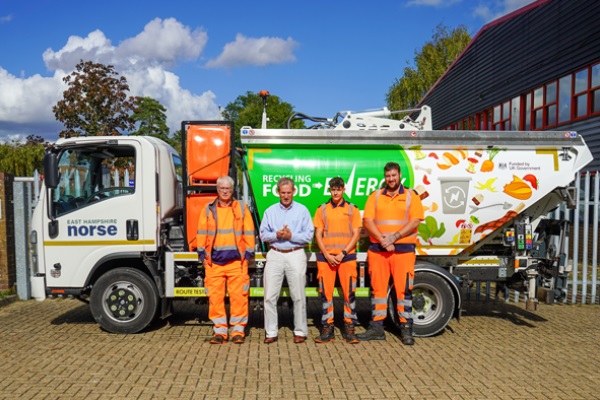
East Hampshire District Council鈥檚 seven new food waste vehicles are trialling the use of HVO as fuel, which is reducing the carbon impact of the new service.
The food waste vehicles are standard diesel vehicles that have been emptied of diesel and switched to HVO without any specialist adaptations.
Councillor Robert Mocatta, East Hampshire District Council portfolio holder for Regeneration and Prosperity, said: 鈥淭he introduction of seven new vehicles visiting more than 57,000 homes district-wide every week was always going to add to the carbon footprint of our waste services.
鈥淏y trialling using HVO for food waste collections, we鈥檙e taking steps to minimise the impact that collecting the waste has on the environment as well as providing the environmental benefits of natural gas and fertiliser from the anaerobic digestion process.鈥�
HVO is a key transitional fuel for operators with diesel trucks who plan to purchase electric HGVs in the near future.
Committing to sustainability also reinforces the reputation of operators with clients and their communities.
It is therefore good to see operators increasingly choose it as a bridging solution as they look to reduce emissions.