Five Minutes With… Lars Gustafsson, Senior Vice President, Head of Solutions Management, Scania
8 Oct 2026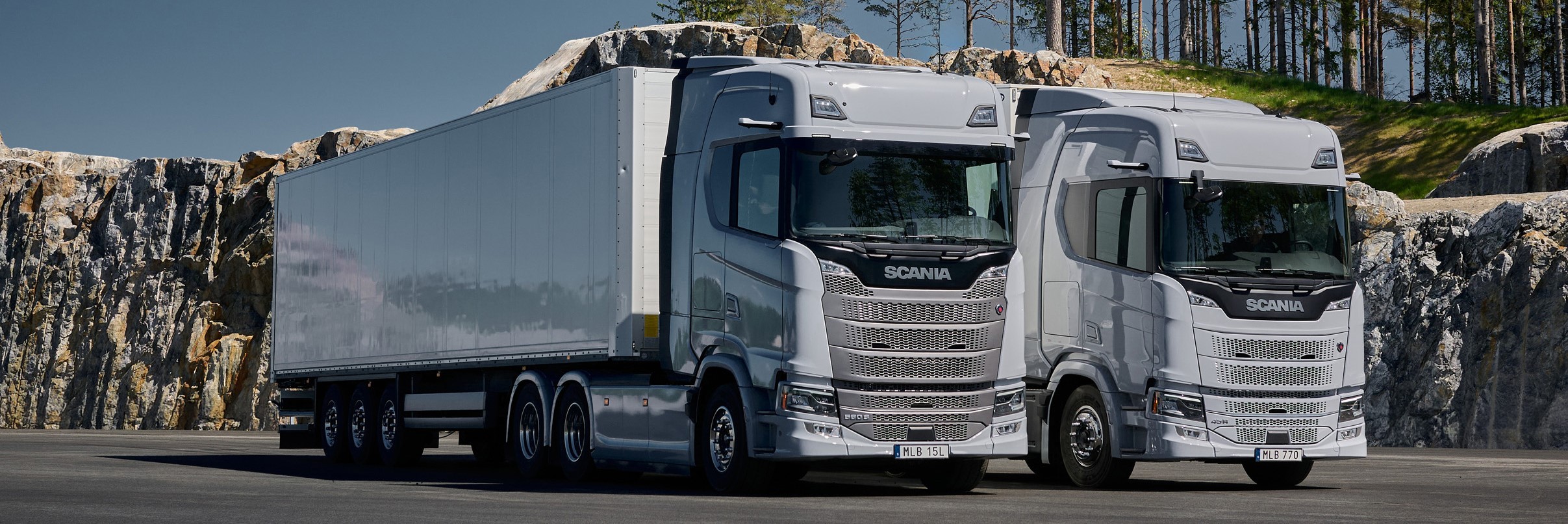
Tell us about Scania Dynamic
Scania Dynamic is a major 2026 update package for Scania’s R-series and S-series long-haul trucks that improves energy efficiency and driver comfort.
A key customer benefit of Scania Dynamic is improved energy efficiency, with total energy consumption reduced by around 2 percent in this step, depending on vehicle specification and operation.
Energy efficiency is relevant across powertrains. For combustion vehicles, lower energy consumption can mean reduced fuel use, while for battery-electric vehicles, it can mean lower electricity consumption and better use of the energy carried on board. For customers, the result is practical: lower operating costs, reduced emissions and a vehicle that uses energy more efficiently in daily operations.
How have exterior improvements to the vehicles improved efficiency?
The improvements include exterior updates that reduce air drag, including digital rear-view mirrors, side skirt extensions, a front that supports Increased Vehicle Dimension legislation, redesigned A-pillars, and new door handles.
Digital rear-view mirrors are one of the most visible updates, combining improved visibility and better energy efficiency through reduced air drag. For drivers, the system provides better visibility when reversing or manoeuvring in narrow areas, with two full-HD screens on the driver’s side and passenger’s side respectively.
Views can be adapted to standard, zoom and wide-angle modes, depending on the situation. The screen also includes vertically adjustable reference lines with measurements. The camera lenses are positioned for natural protection from dirt and include heating to help prevent fog, ice and snow.
What about the improvements in the cab?
Scania Dynamic places strong emphasis on the driver and, inside the cab, a new colour scheme creates a premium feel.
With an increased number of recycled materials in the interior – the curtains are 100 percent recycled and wall and ceiling panels contain 70 percent recycled material – large volumes of textiles are more resource-efficient, while work to reduce the environmental impact through an even higher proportion of recycled material continues. New textiles for the beds, rear wall and ceiling, and updated seat upholstery contribute to a modern and cohesive cab environment.
The seat range has been developed in response to new safety regulations concerning headrests, while improving ergonomics and comfort. An 800 mm reclining bed option provides a flexible resting position, with a back section that can be adjusted up to 60 degrees.
Interior lighting has been expanded into several performance levels, from functional white lighting to Ambient+ with multiple solid colours and themes. This allows drivers to tailor the cab lighting to their needs, from practical working light to a calmer atmosphere during rest periods.
For drivers who spend hours on the road, these improvements make the cab a great place to work, rest and recover. A relaxed driver is more comfortable, while a more intuitive working environment supports focus, reduces fatigue and contributes to safer operations.
Describe some of the driver assistance functions available
Driver assistance functions further support the driver by making daily operations less stressful, such as Safe Stop Assist, Forward Distance Alert and Vulnerable Road User.
Speed Sign Cruise Control and Curve Speed Cruise Control also support smoother driving. These systems support the driver rather than replace driver responsibility, making demanding operations more controlled.

Lars Gustafsson
Senior Vice President, Head of Solutions Management, Scania