Britain鈥檚 truck transition gets diversity boost
19 Jun 2025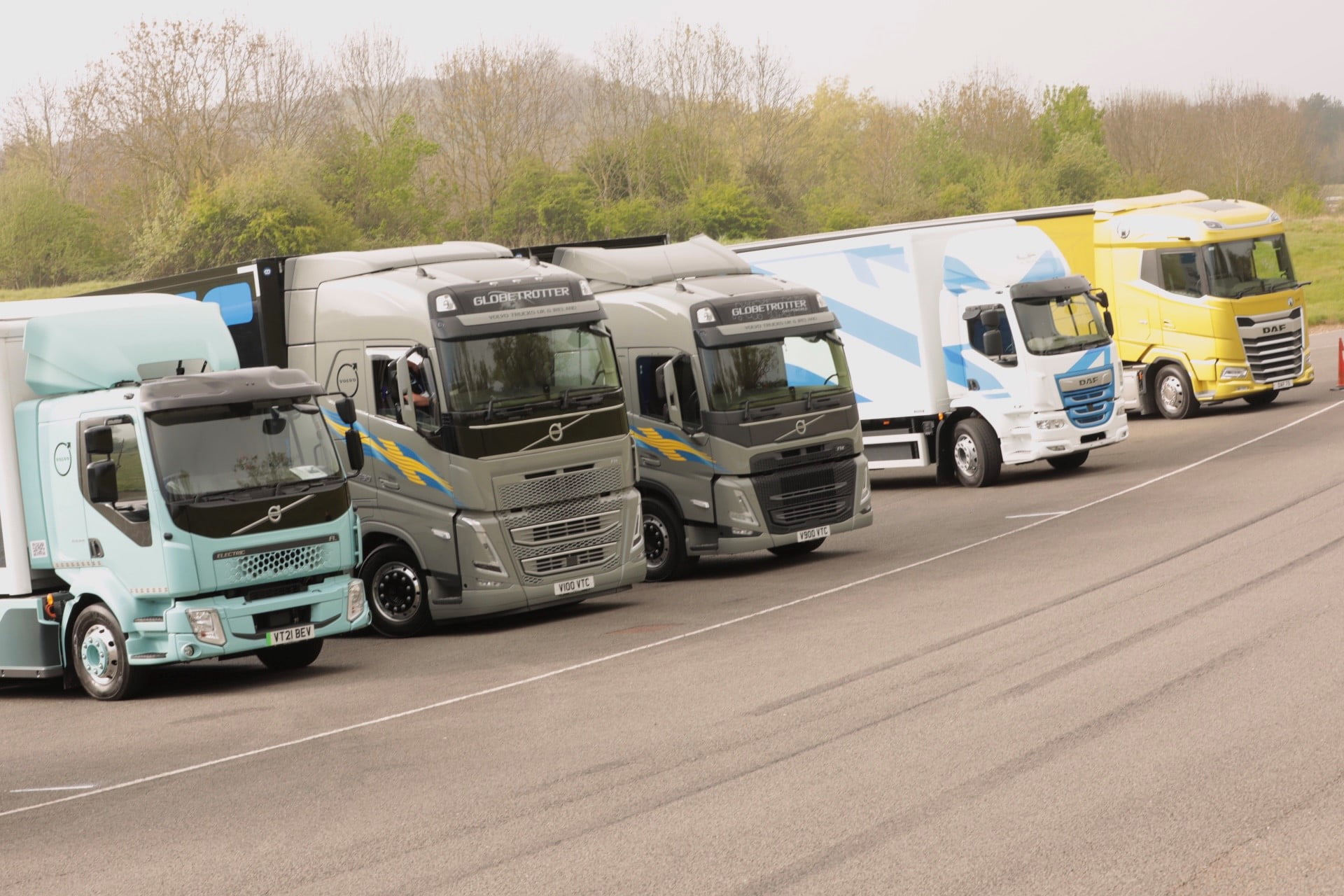
More and more fleet operators are finding out how they can overcome the challenges to decarbonisation and that showed at a leading HGV OEM鈥檚 think tank held at Silverstone Circuit last week, bringing together more than 100 transport managers and key decision-makers 鈥� collectively responsible for a big portion of Britain鈥檚 truck fleet. The event reflected growing momentum for the HGV transition with early adopters sharing real-world insights into how fleets can integrate the very latest, greenest models with their operations.
Truck fleet decarbonisation is a novel feat, with zero emission models representing just 0.5% 鈥� or one in 200 鈥� of all new HGVs joining UK roads last year. Given the barrier to making the switch can be as simple as having the know-how, confidence or willpower, such events have huge value for encouraging operators to start their own journey. There are other major barriers, however, and a common challenge that operators are facing comes with the installation of depot charging infrastructure. With complex planning requirements meaning some fleets could wait for up to 15 years for a grid connection, .
Part of that is a clear government strategy on heavy vehicle infrastructure rollout, at depots as well as public and shared locations, and for electric and hydrogen powertrains given both offer successful solutions. Infrastructure is a prerequisite for vehicle decarbonisation, so UK government鈥檚 as part of the Comprehensive Spending Review to establish the country鈥檚 first regional hydrogen transport and storage network was very positive, connecting hydrogen producers with critical end users such as power stations and industrial sectors.
There is already huge product choice available to UK fleet operators with more than 30 different zero emission models available to meet a wide range of operator needs, but the vast majority of those joining UK roads are battery electric. Greater support for hydrogen infrastructure will enable more fleets to consider switching and, in turn, industry can grow the diversity of its products. Further collaboration between industry and government is needed to remove the infrastructure gridlock, unblock the market and allow the innovation we need to thrive.