ZEV mandate consultation: van sector reaction
27 Aug 2026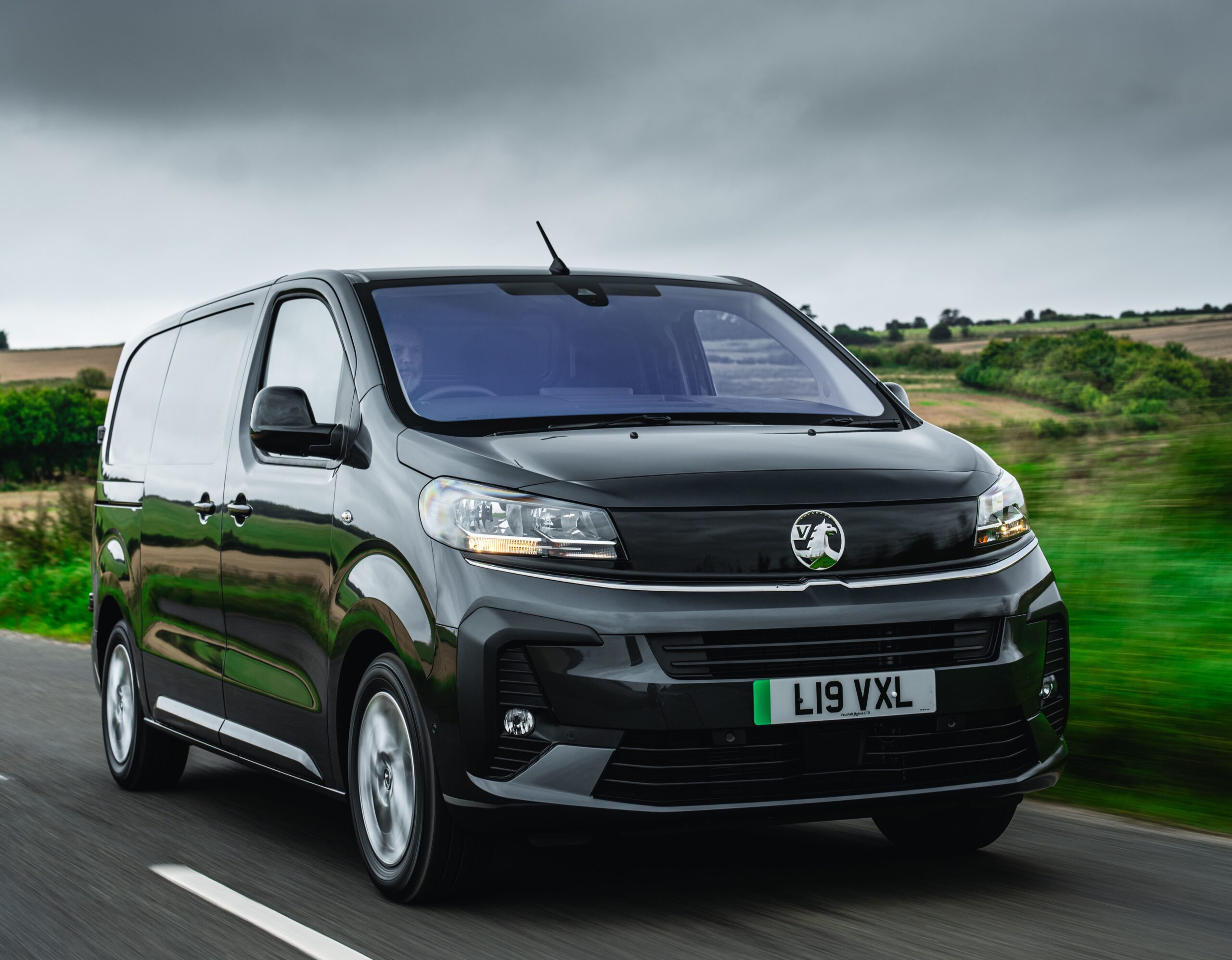
Earlier this month, the government announced a review of the UK鈥檚 Zero Emission Vehicle (ZEV) mandate, with a view to easing annual EV sales targets between 2027 and 2035.
The industry consultation, which runs until 23 October 2026, follows concerns in the sector over market demand and compliance costs associated with the mandate, which requires van manufacturers to meet rising annual targets for sales of new zero-emission vans, reaching 100% by 2035.
Despite a record-high year-to-date share of 10.6% for new battery electric van sales, this is less than half the mandated target of 24% for this year, while next year鈥檚 objective of 34% and the stricter goal of 70% by 2030 look even less achievable.
Companies currently face heavy compliance costs if they miss their yearly targets, although the rules allow some banking and borrowing of credits across years to help adjust to shifting market demand.
Welcoming the consultation announcement, Mike Hawes, SMMTChief Executive, said the industry remains fully committed to a zero-emission future, investing billions in new technologies, products and, along with government, consumer incentives.
He reiterated, however, that the regulation was conceived under very different conditions 鈥� cheaper energy, rapidly declining production costs and more optimistic global demand expectations.
鈥淩egulatory targets are now running ahead of current consumer demand, so this review is a timely opportunity to optimise the pace of change,鈥� Hawes said.
鈥淭his is a regulation that increasingly dictates consumer choice 鈥� and therefore automotive companies鈥� future strategies and viability 鈥� so it must work for all involved.
鈥淭hat means a commercially sustainable transition that supports UK competitiveness, investment and jobs while delivering greater choice and affordability for motorists 鈥� with a rapid resolution needed to unlock those benefits for everyone.鈥�
It is clear therefore that government and industry share the same ambition, but the issue is how the right conditions can be created to achieve it.
Ford fully supports van electrification, but wants to see meaningful changes to policy that reflect how people actually buy and use its commercial vehicles today.
The company added that it is vital any changes are communicated in 2026, giving the industry and customers the clarity and lead time needed ahead of implementation from 2027 onwards.
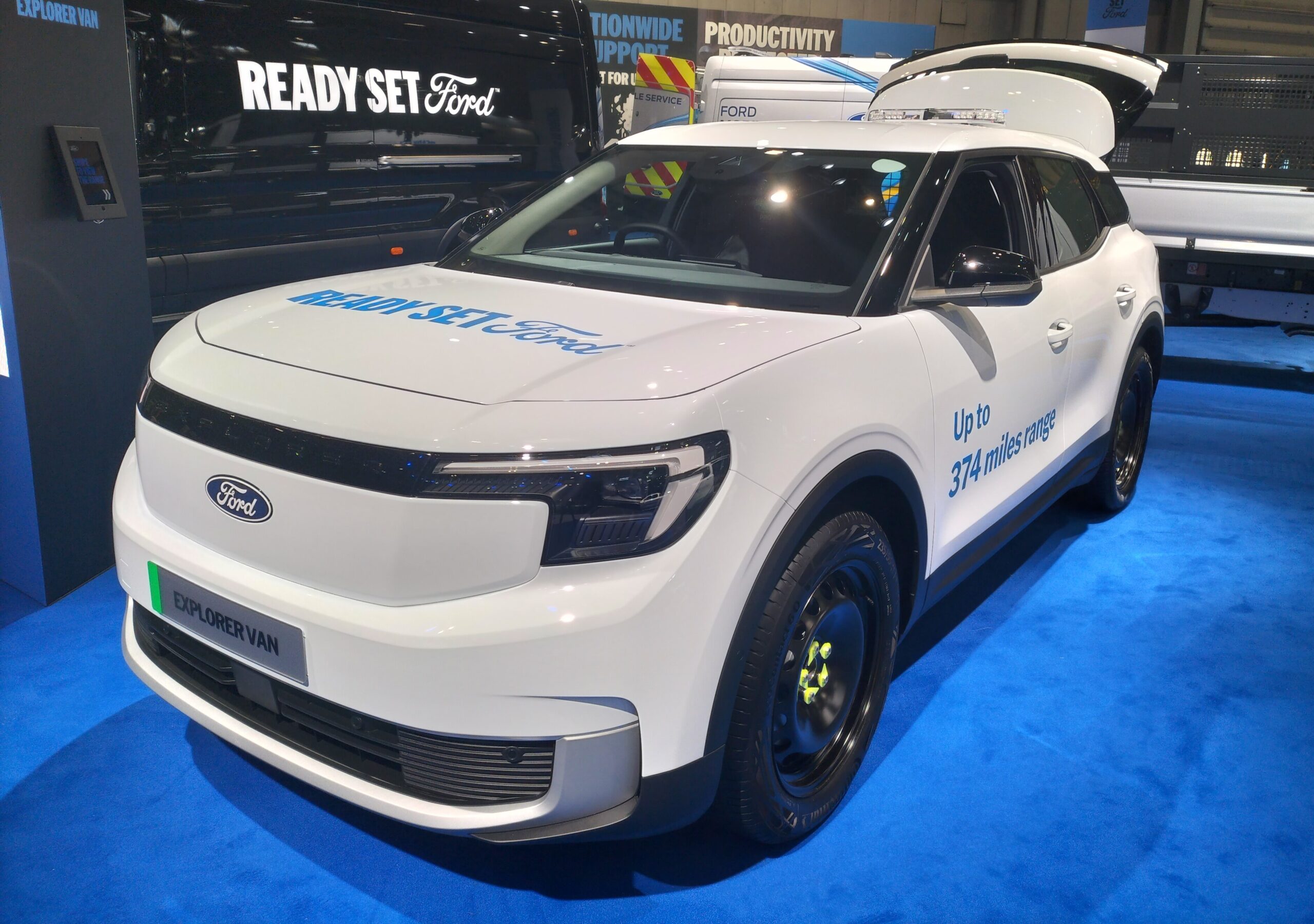
Lisa Brankin, Chair and Managing Director at Ford Motor Company, said: 鈥淚t is really positive to see the government launch this consultation on the ZEV mandate, and we welcome the opportunity to contribute.
鈥淲e鈥檝e been raising these concerns with government for some time, and it鈥檚 encouraging to see that dialogue translating into action.
鈥淭his isn鈥檛 the end of the conversation 鈥� it鈥檚 only the start.
鈥淲e鈥檒l continue sharing our experience of what the mandate looks like in reality, because getting this right isn鈥檛 just about targets on a page 鈥� it鈥檚 about making sure the transition to electric works for everyone: drivers, businesses and the industry that builds for them.鈥�
The review is being carried out jointly by the UK government, Scottish Government, Welsh Government and Northern Ireland鈥檚 Department for Infrastructure.
It is asking the sector for input on whether the existing annual targets remain appropriate and is actively seeking views on the effectiveness of existing compliance flexibilities and potential new adjustments or policy options.
Stellantis currently has 60 fully electric vehicles in its line-up, including a range of Vauxhall, Peugeot, Citro毛n and Fiat electric vans, many of which are manufactured at its UK plant in Ellesmere Port.
The company was fully compliant with the ZEV mandate in both 2024 and 2025 and plans to be again this year.
However, despite growing interest in the benefits of EVs, the company said real customer demand is at odds with the mandate, meaning that compliance is coming at an increasingly significant and unsustainable cost.
Eurig Druce, SVP & Group Managing Director Stellantis UK, said: 鈥淲e welcome the publication of the consultation to review the ZEV mandate.
鈥淪tellantis fully supports the transition to electric vehicles and we look forward to a positive response from government to continue to support UK manufacturers as we transition to an electric future.鈥�
Substantial progress on van electrification in the UK has already been made, with more than 40 different zero-emission models currently available and nearly two-thirds of all van models now offered as EVs.
However, current mandated sales targets were designed on the basis of optimistic expectations of market conditions that have not yet materialised.
Factors such as soaring energy prices, increased geopolitical instability, infrastructure roll-out challenges and weaker than expected operator demand have changed the landscape.
Fleet operators still face high upfront costs and charging challenges, along with practical concerns about payload and range.
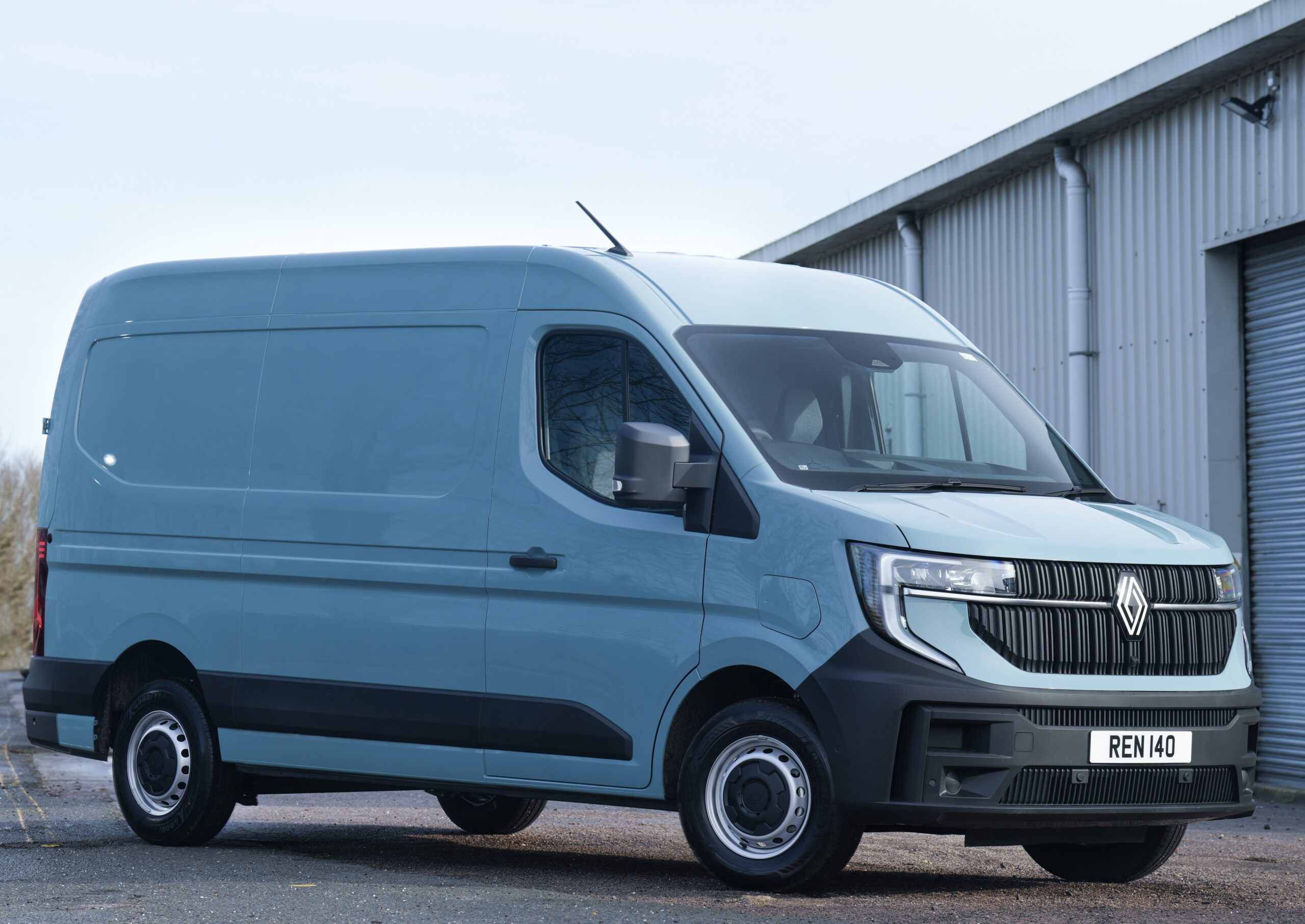
Coupled with the slim operating margins which are commonplace in logistics, operators are therefore struggling to transition at mandated levels.
British Vehicle Rental and Leasing Association (BVRLA) members hold approximately 750,000 electric vehicles on their balance sheets and have contributed more than 拢36 billion of investment in the UK’s decarbonisation journey.
Toby Poston, Chief Executive at BVRLA, said this investment demonstrates the sector’s commitment, and the consultation provides a vital opportunity to take stock of the UK’s transition to zero emission vehicles.
He added: 鈥淭he mandate is designed to give a clear direction of travel and we鈥檝e seen the market evolve significantly since it was introduced.
鈥淎ny review needs to be grounded in evidence and the experience of those delivering the transition every day.
鈥淰olatile used vehicle values, uneven demand across different vehicle types, infrastructure gaps and growing compliance costs all influence the pace at which businesses and motorists can make the switch with confidence.
鈥淲e will continue to provide evidence-led recommendations that support investment, strengthen consumer confidence and help ensure the UK鈥檚 transition remains both ambitious and deliverable,鈥� he added.
With the right balance of realism and enablers, vehicle manufacturers can continue investing, operators can switch to EVs with confidence, and the UK can build sustainable electric van growth on a more secure footing.
It is timely, therefore, that the government has brought forward its review of the regulation, providing an opportunity to ensure the regulation can fulfil its purpose of accelerating the zero emission transition while sustaining economic growth and consumer choice.