Getting EV regulation right matters for manufacturing as much as the market  Â
19 Jun 2026

The shift to zero emission mobility will shape the UK’s economy, society and progress towards net zero. It will also determine whether Britain can stay competitive, continue to attract investment and protect the highly skilled jobs that depend on a strong automotive industry. Reports that government is looking at whether current regulation reflects the reality of the market are therefore welcome. 
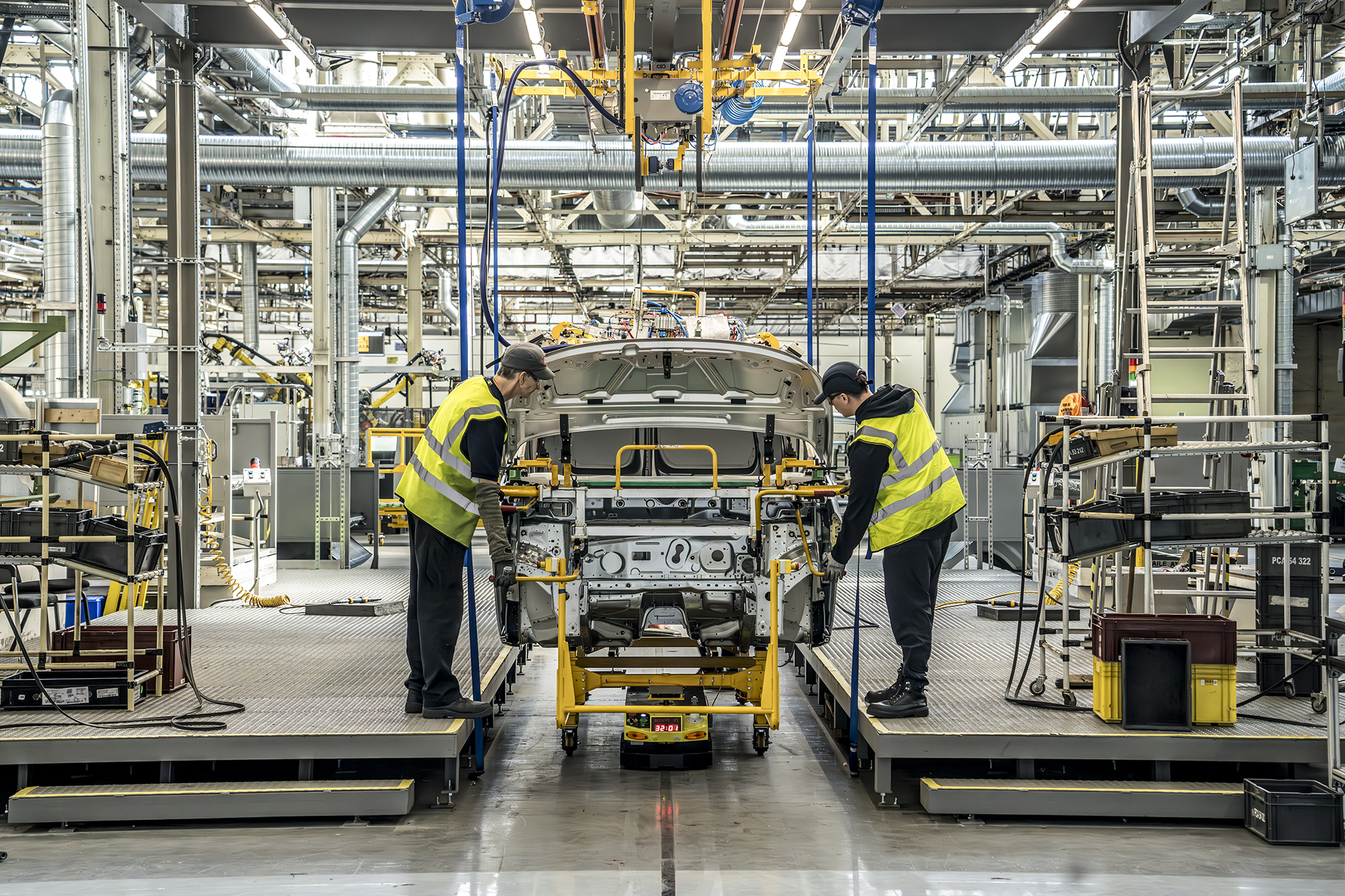
The automotive industry is fully committed to decarbonisation. Between 2011 and the mandate’s introduction at the start of 2024, UK manufacturers announced investments in electrification worth more than £12 billion, transforming product lines, retooling factories and building new supply chains. But since 2024, more than £10 billion has been lost through discounting to stimulate demand far beyond natural levels. 
The industry welcomed the additional flexibilities introduced last year. It showed government recognised the need for both decarbonisation and economic growth. But essential as they have been, these flexibilities have still not been enough to address the growing shortfall between ambition and market reality. 
Market share targets alone won’t succeed because the challenge is not supply, but demand – and without intervention the gap will keep growing, leading to a constrained market. That helps no-one: not the manufacturers whose viability in the UK is on the line; not consumers who need affordable choice; and not the wider ecosystem that depends on EV volumes, not notional market share.  
Consumer confidence, charging infrastructure, energy costs and wider economic pressures all affect the pace of transition. When those conditions change, as they have since the mandate began, amending the framework is not a retreat from ambition but a necessary and pragmatic step to achieving it. 
No one has a greater stake in making this transition work than the automotive industry. Manufacturers throughout the entire supply chain have invested billions – and they continue to invest, with more EV choice, ever better performance and lower costs. They cannot afford for that investment to be lost.
Realigning the mandate to real-world demand would set a more sustainable pathway – one that keeps the UK attractive as a market and a manufacturing base. This would send a clear signal that the UK backs business and backs growth; it would unlock investment, support jobs and expand consumer choice. Without action, the cost of compliance will force many away from the UK – and that damage will be irreversible.
The UK has what it takes to lead: world-class advanced automotive manufacturing and a long-term commitment to net zero. But securing investment, sustaining economic growth and supporting highly skilled jobs across the country – while remaining the primary driver of decarbonisation – depends on getting the pathway right. 
That is the challenge – and the opportunity – we face. Responding to evidence and changing market conditions is not a climbdown, it is good policymaking based on sound evidence. It would be the right decision at the right time.
SMMTUpdate
Sign up

Sign up to the SMMTUpdate Newsletter for weekly automotive news and data
"*" indicates required fields