Five minutes with… Kayleigh Ingham, Director of Commercial Delivery at First Bus, and Chair of the Women in Bus and Coach (WiBC) NorthernÌýRegionÌýGroup
11 Jun 2026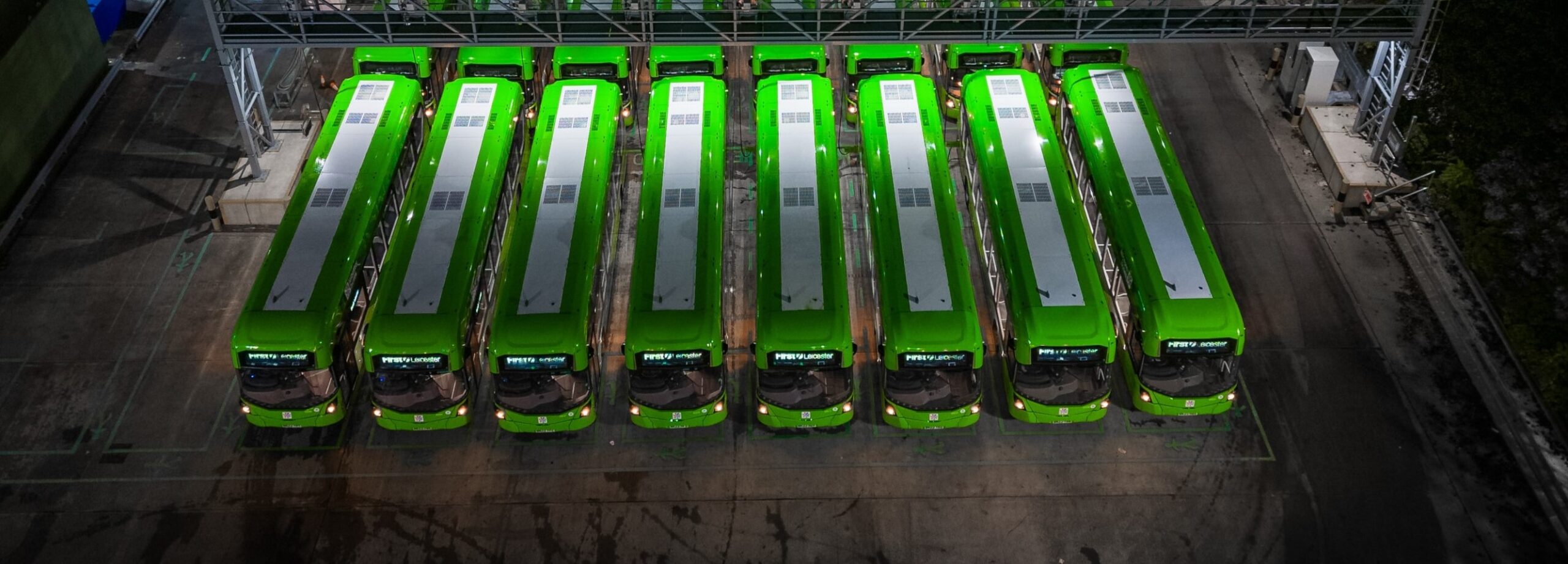
How much of a problem is the issue of violence against women and girls on buses?
Violence against women and girls (VAWG) is not an abstract issue. It is happening every single day, across every part of society, and public transport is no exception.
Buses and trains are lifelines, connecting people to work, education and family and friends. We know women are statistically more likely to rely on buses for short, regular journeys. Yet we also know they are disproportionately exposed to harassment in the very spaces that should offer freedom, independence and opportunity.
The scale of VAWG is impossible to ignore. Data from the National Police Chiefs’ Council shows that more than one million VAWG-related crimes were recorded in 2022/23, around 3,000 offences every single day, and we know many incidents still go unreported.
Safety on public transport must be universal, but for some women and girls, this standard is not yet met. Safety is not a privilege; it is a right. At First Bus we’re committed to delivering lasting change on VAWG. .
Is training being given to First Bus staff to deal with the problem?Ìý
Yes. We have already invested in specialist VAWG training for colleagues and drivers ahead of wider industry requirements. Delivered in partnership with the Confederation of Passenger Transport (CPT), the training is now being rolled out nationally across First Bus. It is designed to build a culture of accountability and respect, ensuring all colleagues understand VAWG and know how to intervene safely and appropriately.
Our business is also White Ribbon accredited, meaning we are committed to educating staff on recognising harmful behaviour, safely intervening, challenging inappropriate conduct and supporting passengers.
What other measures has First Bus put in place to protect women and girls against violence on buses?Ìý
Alongside training, First Bus has introduced a range of preventative measures and support initiatives designed to help passengers feel safer and more supported when travelling.
That includes our partnership with Strut Safe, a volunteer-run phone line offering reassurance and support to people travelling home alone. We are promoting the service across around 2,200 buses and helping fund extended operating hours.
We have also strengthened our reporting systems, making it easier for both passengers and colleagues to report incidents, concerns and everyday microaggressions before situations escalate further.
Just as importantly, we are continuing to improve diversity and representation across our workforce, as this helps ensure our policies better reflect passengers’ lived experiences.
Will the recent Bus Services Bill help tackle the problem?Ìý
The Bus Services Bill is important because it includes mandatory training on tackling VAWG across the industry. It’s worth noting too that bus reform and franchising create an opportunity to embed safety and equity measures directly into transport contracts and performance standards.
I believe that VAWG strategies and diversity performance measures should become part of franchising bid processes, helping ensure standards remain consistent even when operators change.
What role can technology play in making bus journeys safer for women and girls?
Technology can become part of the solution.ÌýWe’reÌýlooking at innovations already being explored in other types of transport, including Virtual Reality bystander-intervention training on trains to help staff respond confidently to incidents, body worn cameras to deter abusive behaviour, and improved reporting systems to capture incidents more effectively.ÌýÌý Longer term there is also the future potential of integrated technologies such as live facial recognition systems that could support “banned from one, banned from allâ€� approaches across transport networks for repeat offenders.
.
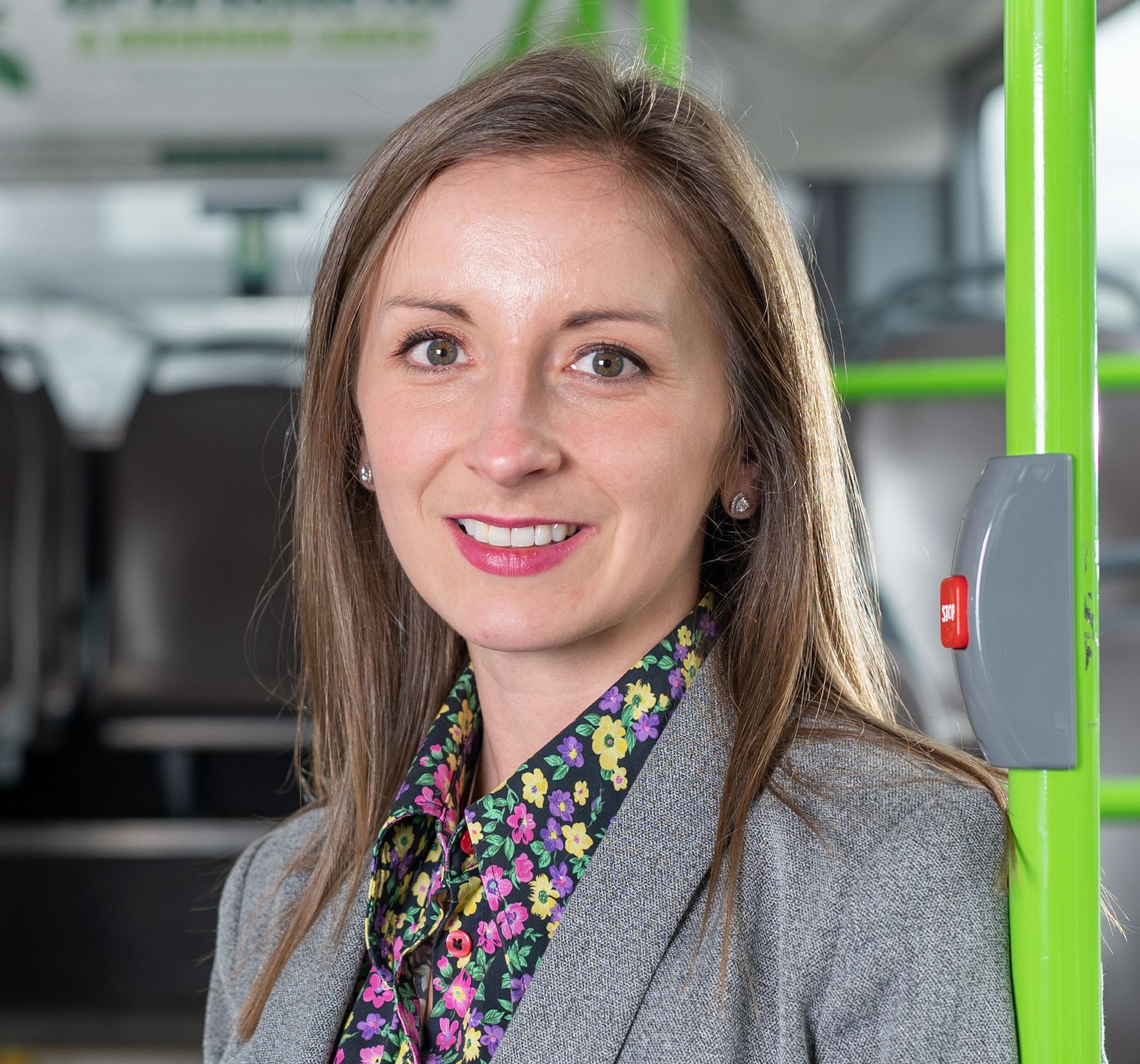
Kayleigh Ingham
Director of Commercial Delivery at First Bus, and Chair of the Women in Bus and Coach (WiBC) Northern Region Group