Five Minutes With… Ben Smith, Managing Director at Electra Commercial Vehicles
20 Aug 2026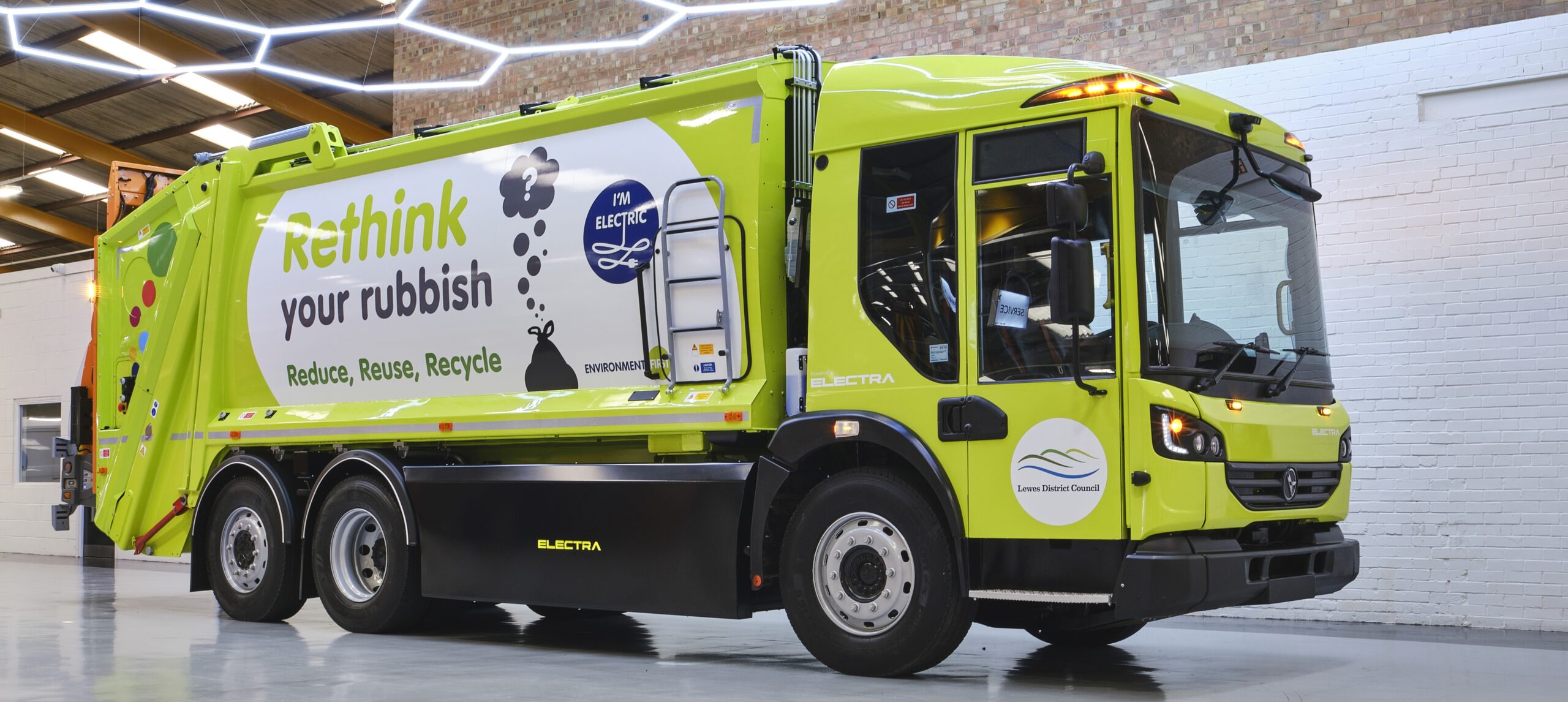
Describe how Electra’s repower service is progressing
Electra Commercial Vehicles is seeing increasing demand for repower solutions as fleet operators seek practical, scalable pathways to decarbonisation.
For example, earlier this year, we announced a major fleet electrification programme in partnership with Lewes District and Eastbourne Borough Councils.
The project sees a total of 26 refuse collection vehicles transitioned to zero emission operation, including 20 existing diesel vehicles repowered with electric drivetrains and six new chassis fitted with refurbished bodies.
By repurposing existing assets, the programme provides a significantly more cost-effective alternative to purchasing new electric vehicles, while accelerating the transition to zero emission operations.
Each repowered vehicle undergoes a full refurbishment process, including structural reinforcement, new wiring looms, upgraded hydraulics, and the integration of a complete electric drivetrain. The result is a fully electric refuse collection vehicle designed for demanding, real-world use.
The vehicles are engineered to operate for multiple days on a single charge, with battery systems that deliver consistent performance throughout the year.
This programme with Lewes District Council shows what’s possible when innovation and collaboration come together to deliver real-world electrification at scale.
Tell us about your partnership with Marvtech Truck Bodies to develop a fully integrated electric hotbox truck
The hotbox truck has long been one of the hardest vehicles in highway maintenance to decarbonise. Sustained heating demands, heavy payload requirements, and the operational realities of overnight live-road working have made generic EV platforms a poor fit.
Our partnership seesElectra’s eCargo SEIV 19-350 chassis integrated with Marvtech’s e-Hotbox body for a vehicle built for exactly that duty cycle.
It runs a 280kWh lithium iron phosphate battery with active thermal management and a 350kW permanent magnet direct-drive motor. At 19t GVW there’s no compromise on payload. DC fast charge takes the pack from 20-80% in under 70 minutes – a charged vehicle, ready for the next shift, in just over an hour.
How does the vehicle draw its power?
The e-Hotbox draws power directly from the vehicle’s high-voltage battery via Electra’s Electric Power Take-Off, feeding six 2,500W resistance heating elements at 400V AC – 15kW total installed capacity, thermostatically controlled across single or twin zones. A pre-heating function via before departure optimises range.
Removing LPG from the vehicle goes beyond the emissions headline. It eliminates onsite gas storage, removes open-flame risk during operation, and cuts manual handling demands on crews – a meaningful improvement for site safety and Health & Safety compliance. Tipping is governed by an ePTO interlock. No live flame. No stored gas. Safety is significantly improved.
What type of work is the vehicle built for?
This vehicle is built for local authorities, highways contractors, and Tier 1 maintenance operators running or planning zero emission highway maintenance fleets. If that’s you, the infrastructure and operational case is straightforward – and the vehicle is ready.
Once in service fleet managers get full visibility of carbon and cost savings through Electra’s Info-Centre portal: battery state of charge, energy use, CO₂ versus diesel, and driver efficiency data, without third-party telematics.
Electra works with body builders at specification stage – ePTO, battery capacity, and powertrain configured around the body’s operational demands, not retrofitted to them. For a duty cycle as demanding as highway maintenance – overnight shifts, sustained heating loads, live-road stop-start operation – that level of integration is what makes the difference between a vehicle that works and one that compromises.
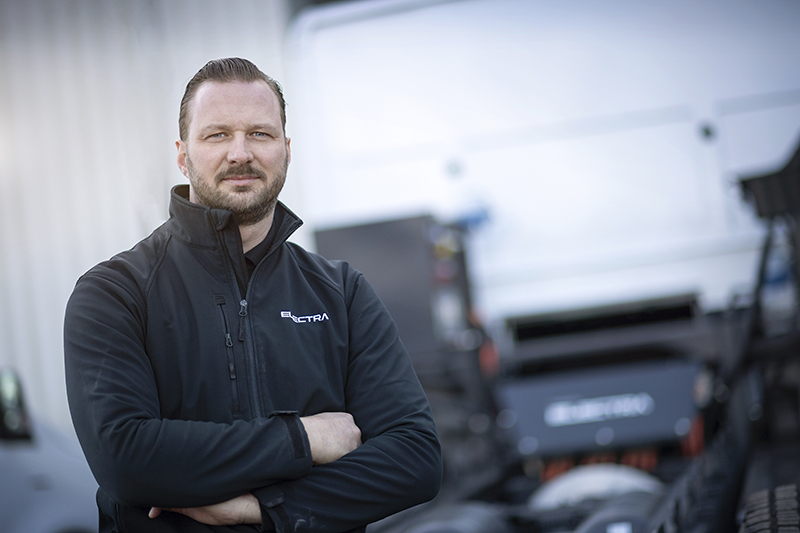
Ben Smith
Managing Director at Electra Commercial Vehicles